
A New Partnership for Student Wellbeing: Young Gal Inner Child and Zoala Join Forces in South Africa 🇿🇦
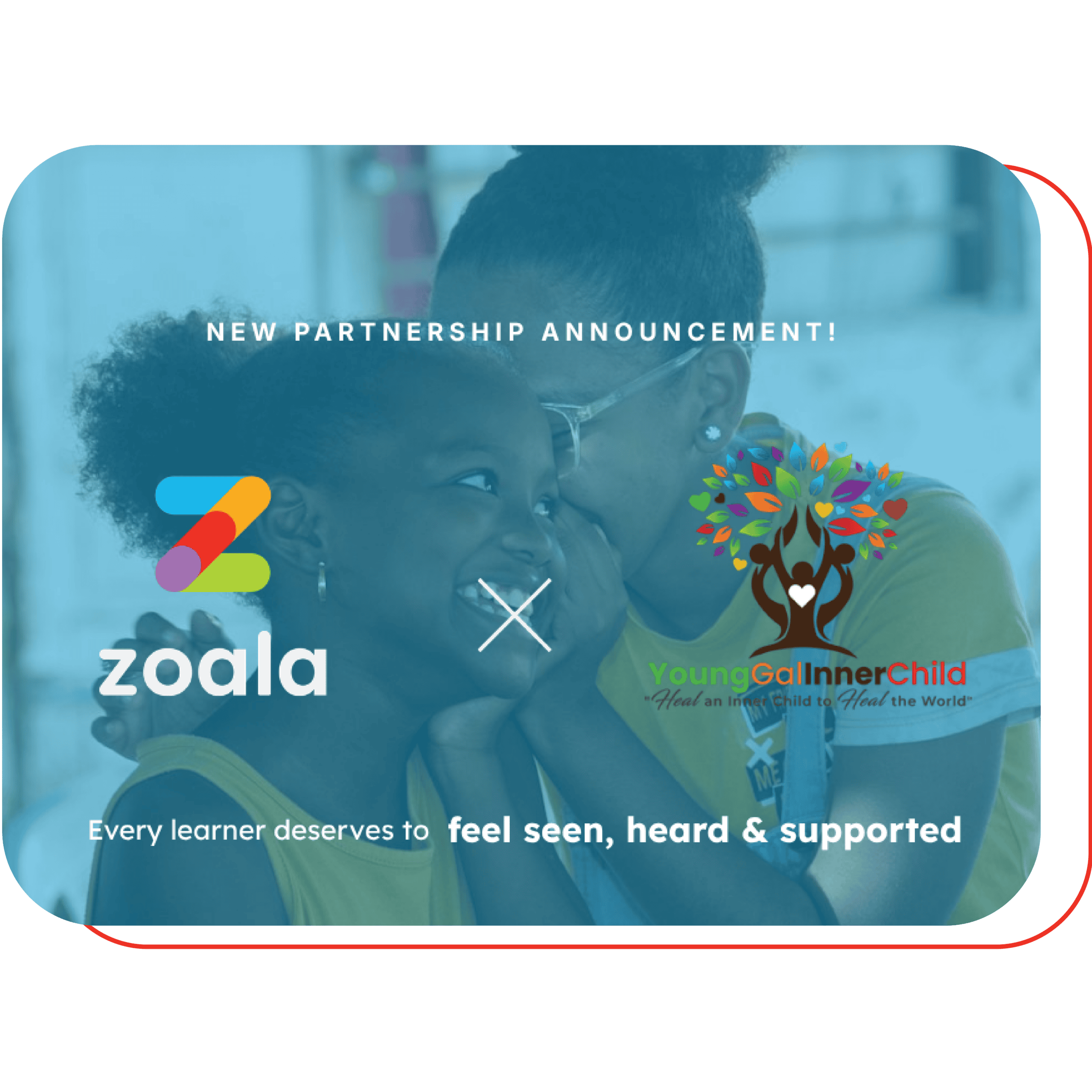
Young Gal Inner Child (YGIC), a South African non-profit dedicated to empowering teenage girls and young women, has announced an exciting new partnership with Zoala, a digital mental wellness platform built for schools. Together, the two organisations are setting out to transform how young people in South Africa access mental health support, with a particular focus on early intervention, safe spaces, and emotional resilience.
Why This Partnership Matters
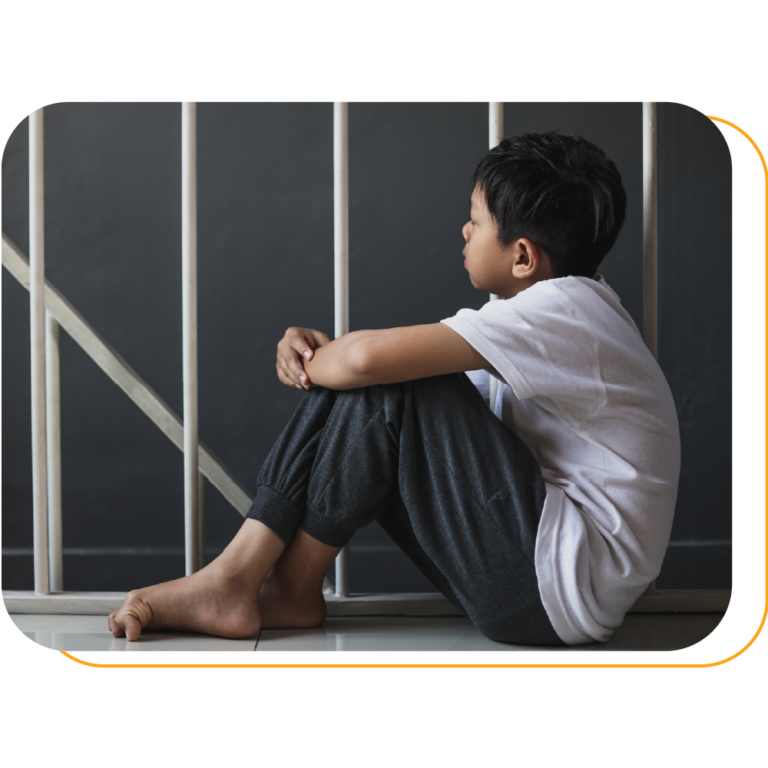
Student mental health has become one of the most pressing issues facing young people today, and the numbers tell a sobering story. According to Young Gal Inner Child, a quarter of young women have self-harmed, half experience a common mental disorder, and the vast majority of mental health issues take root before the age of 24. These aren’t abstract statistics; they represent real learners sitting in real classrooms across the country, often without anywhere to turn.
YGIC was founded to change that. The organisation provides mental health education, mentorship, career development, and financial literacy programmes for teenage girls and young women across KwaZulu-Natal and South Africa more broadly. Its mission is rooted in a simple but powerful idea: every young woman deserves the confidence, knowledge, and support to thrive, not just academically, but emotionally and financially too.
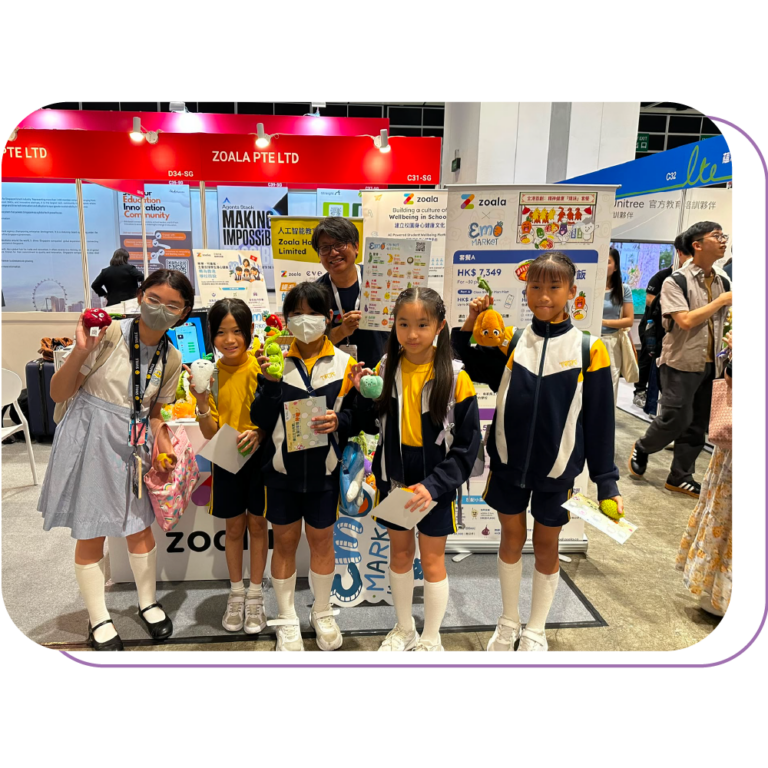
Zoala brings a complementary piece to that mission. The platform combines AI-powered emotional support with practical tools like daily mood check-ins, a confidential AI chatbot, personalised safety plans, and an “I Need Help” feature that connects students with immediate support during moments of distress. For schools, Zoala also offers data-driven insights that help educators and counsellors identify students who may need extra attention before a crisis develops.
What the Partnership Aims to Achieve
In their joint announcement, YGIC and Zoala described the collaboration as something that goes beyond technology. The focus is on exploring innovative ways to give young people access to safe spaces, early support, and the practical tools they need to thrive emotionally, socially, and academically.
At its core, the partnership is about three things:
Prevention. By combining Zoala’s early-detection tools with YGIC’s on-the-ground mentorship and education programmes, the partnership aims to catch struggles before they escalate, rather than only responding after a crisis.
Access. Many learners, particularly in under-resourced communities, simply don’t have access to mental health support. Bringing a digital wellbeing platform into schools alongside YGIC’s existing network could help close that gap.
Belonging. Perhaps most importantly, the partnership is built around the idea that every learner should feel seen, heard, and supported. That’s not something technology alone can deliver, but paired with human mentorship and community support, it becomes far more achievable.
A Track Record of Collaboration
This isn’t YGIC’s first partnership of this kind. The organisation has previously worked with institutions and companies including SACAP, Lifeline Durban, Microsoft, GoDigital SA, ABSA, and several schools across the region, building a growing network aimed at supporting young women’s wellbeing and development. The Zoala partnership extends that network into the digital mental health space, an area that’s becoming increasingly important as schools look for scalable ways to support student wellbeing.
Looking Ahead
Student wellbeing isn’t a problem that gets solved overnight, and both organisations seem to recognise that. Rather than presenting this as a finished solution, YGIC and Zoala have framed the partnership as something they’re still exploring together: testing what works, learning from the learners themselves, and building tools and programmes that genuinely meet young people where they are.
If the partnership delivers on its promise, it could offer a blueprint for how non-profits and digital health platforms can work together to support South Africa’s youth, combining the warmth and trust of community-based mentorship with the scale and consistency of technology.
For young women and learners hoping to get involved, or for schools and organisations interested in supporting the work, more information is available on Young Gal Inner Child’s website.
This partnership is part of a bigger movement. Zoala already supports more than 16,000 users across six countries, working alongside 40+ schools and organisations to make mental health support more accessible through responsible AI-powered tools.
If you’re a school, parent, or organisation who wants to be part of that movement, we’d love to hear from you.