
Workplace Burnout in Singapore Just Became a Legal Issue — Here's What That Means for You
If you’ve felt burnt out at work this year, you’re far from alone — and there’s finally a policy shift catching up to what employees across Singapore, Malaysia, Hong Kong, and Indonesia have been feeling for years.
The news: burnout is now a protected issue, not just a personal problem
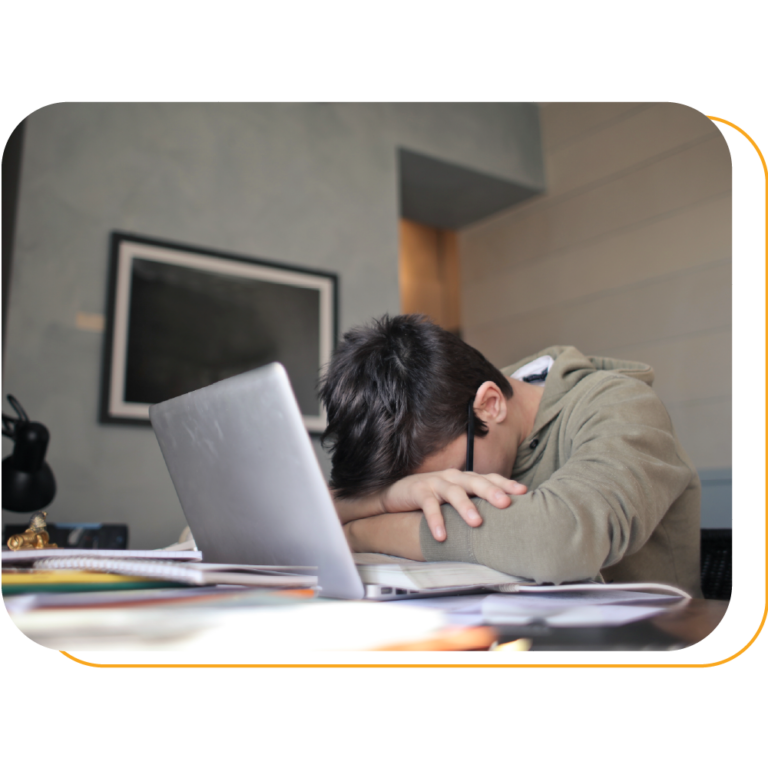
A recent survey found that 61% of employees in Singapore report experiencing burnout, with Gen Z workers hit hardest at 68%, followed by Millennials at 65%. What’s notable is that these numbers have barely moved since 2022, despite years of corporate wellness campaigns. The top stressors employees cited were heavy workloads, poor leadership, and tight deadlines — and only 45% said they had access to confidential counselling at work.
The bigger shift: Singapore’s Workplace Fairness Act, passed in January 2025, now formally classifies mental health conditions as a protected characteristic, with enforcement rolling out through 2026-2027. In practical terms, this means mental health at work is moving from a “nice to have” HR initiative to a matter with real legal weight.
Malaysia is seeing a similar story play out. Early-career employees juggling constant digital connectivity and unstable economic conditions are burning out fastest, with hybrid work arrangements often reducing the social support that used to buffer stress. Mental health-related issues already cost the Malaysian economy an estimated RM14.46 billion in 2018 alone — about 1% of GDP — and the trend hasn’t reversed.
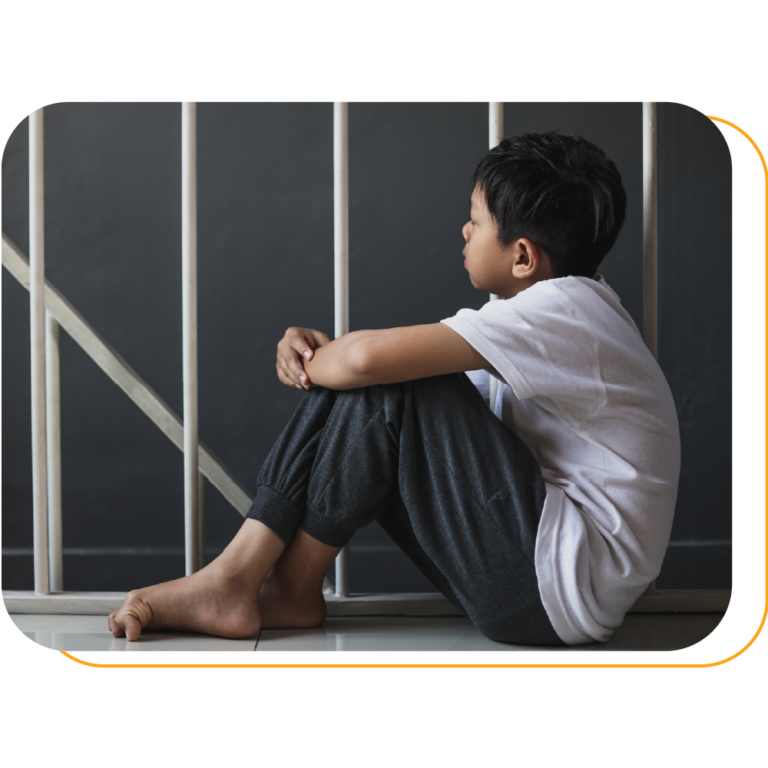
Meanwhile in Hong Kong, the pressure is starting even earlier: over 60-90% of young people report stress from academics, family expectations, and future prospects, with a sharp rise in students identified as at higher risk this year. The pattern across the region is consistent — high performance cultures, blurred work-life boundaries, and a persistent reluctance to seek help before things become serious.
Why this matters beyond the headlines
Legal recognition is a meaningful milestone, but policy alone doesn’t fix burnout — it just creates more accountability around addressing it. If you’re an employee, this is a good moment to take stock of your own stress levels rather than waiting for your workplace to change first. If you’re a manager or HR lead, it’s a signal that mental health support needs to move from optional perk to core infrastructure.

Practical steps if you're feeling the strain
Start by naming what’s actually driving the exhaustion — is it workload, unclear expectations, lack of autonomy, or something happening outside work bleeding into your day? Burnout responds differently depending on the root cause.
Build in non-negotiable recovery time, even in small doses. A 20-minute walk without your phone or a fixed cutoff time for checking email can meaningfully lower baseline stress over a few weeks.
Talk to someone before it becomes a crisis. Many people wait until they’re at breaking point to seek support, but early conversations — with a therapist, counsellor, or even a trusted colleague — tend to be far more effective than crisis intervention.
If you’re in a leadership role, check whether your team actually has confidential, accessible mental health support — not just a poster in the break room. With only 45% of Singapore employees reporting real access to counselling, there’s likely a gap between what’s offered on paper and what people can actually use.
You don't have to wait for a policy change to feel better
Legislation is catching up, but you don’t need to wait for it. If work stress has been building for a while, talking to a professional can help you figure out what’s actually sustainable — not just for your job, but for your life outside it.
Sources
- Singapore’s workforce battles burnout, highlighting need for stronger mental health support — HRM Asia
- Majority of Singaporean employees are still burnt out lacking mental health support — HR Asia
- Singapore employees surveyed report poorer mental health than Indonesia’s and the Philippines’ — Human Resources Online
- Malaysia’s young workforce is burning out — People Matters
- Transforming Workplaces: The Crucial Push for Mental Health Inclusivity in Malaysia — WHO Malaysia
- Hong Kong youth mental distress soars; 280 identified as being at higher risk of suicide — SCMP

Ready to Support Your School Staff?
Zoala and eve & ai work together to care for every person in your school — students and staff alike.